The Refinery Mission
A monthly video series telling the real stories behind a faith-based nonprofit's work, one testimonial at a time.
Who They Are
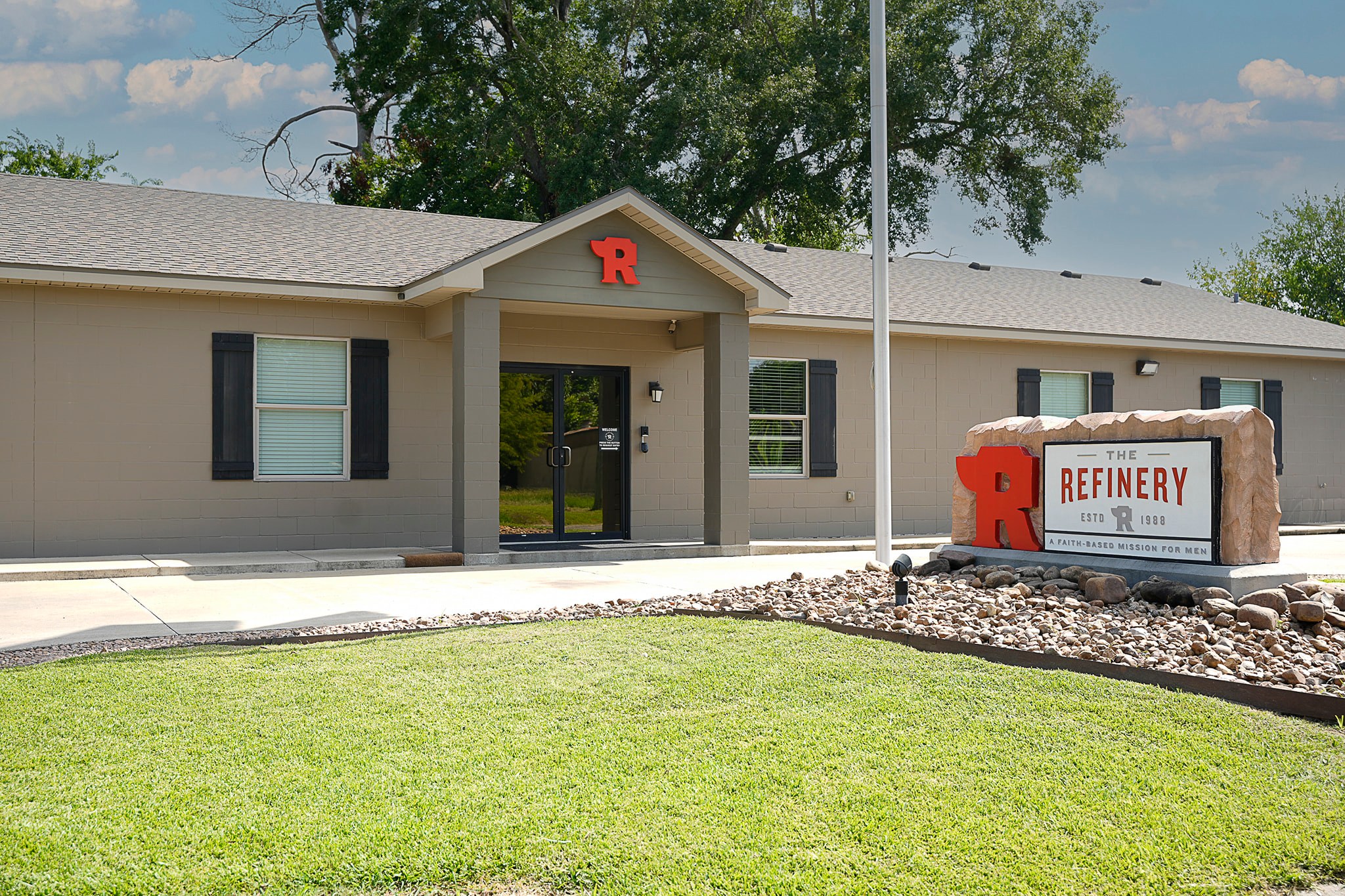
The Refinery Mission sits in Opelousas, Louisiana, and it exists for one reason: to help men rebuild their lives. The program is structured, faith-driven, and grounded in accountability. It runs entirely on donations, which means the people funding the work need to see the work. That simple truth shaped everything about this engagement.
Real, life-changing stories were unfolding inside the program every single month, but none of them were making it past the front door.
The mission had no consistent way to capture what was happening in its own walls. Supporters were giving generously without ever seeing the outcome. Social content was sporadic, surface-level, and disconnected from the weight of what the program actually accomplishes. The stories were there. The system to tell them wasn't.
What Success Looks Like
The goal was straightforward: build a content system the mission could rely on, month after month, without it becoming a burden on their team. One authentic testimonial per month. Each one needed to communicate genuine transformation in a way that felt human, not produced. If a supporter could watch a video and feel connected to the outcome of their donation, we were doing our job.
Success came down to three things: consistency, engagement, and the ability to make life change tangible.

Strategy
We kept this simple on purpose. Instead of pitching a complex content calendar or a multi-format campaign, we built a single repeatable framework: one person, one story, once a month.
Every video follows the same arc. Where they came from. What changed. Where they are now. That structure gives each testimonial clarity without flattening the individuality of the person telling it. It also gives the audience something familiar to return to, which builds trust over time.
A few principles guided the approach:
- Authenticity over production value. Real emotion lands harder than cinematic polish, especially in nonprofit storytelling.
- A repeatable filming and editing workflow, so the process stays lean.
- A consistent format, so the audience knows what to expect when they hit play.
- Story-first framing. Every creative decision serves the narrative, not the other way around.
Monthly Process
The production cycle is the same every month, by design. Predictability is what makes a system like this sustainable for a small organization.
- 01Coordinate with The Refinery Mission to identify a participant
- 02Conduct an on-site filmed interview
- 03Guide the conversation toward moments of personal transformation
- 04Edit the footage into a concise, story-driven testimonial
- 05Optimize for social platforms (Facebook, Instagram, X)
- 06Publish as part of the mission's ongoing content cadence
Deliverables
Impact
We don't have a single viral number to point to here, and that's fine. The value of this work is cumulative. Each video adds another layer of proof that the program works, and over time, that library of stories becomes the mission's most persuasive asset.
What we can point to:
- Consistent monthly content showcasing real transformation
- A stronger emotional connection between the mission and its supporters
- Clearer public understanding of what the program actually does
- A growing archive of authentic stories that reinforce credibility with every new addition
What We Learned
Consistency builds trust
Monthly storytelling creates expectation and reliability.
Authenticity outperforms polish
Real stories connect more deeply than overproduced content, especially in nonprofit work.
Simple systems scale
A repeatable framework will always outlast a one-off campaign.
Make impact visible
Clear storytelling turns abstract "impact" into something people can actually see and feel.